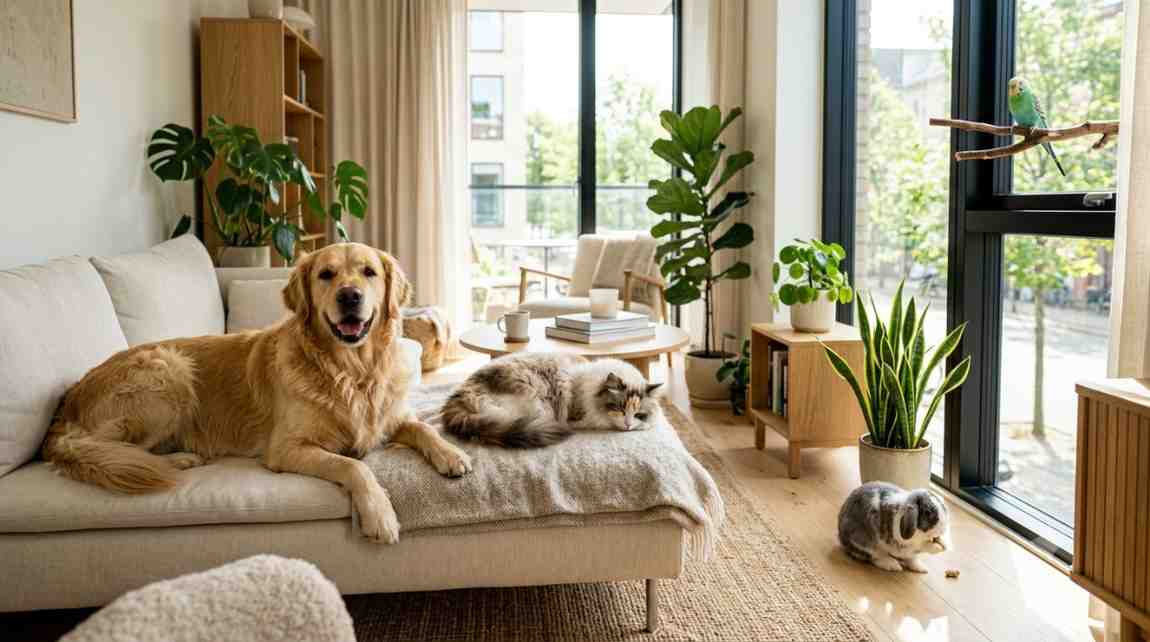
Living in an apartment doesn't mean you have to give up the joy of having a pet. Whether you're in a cozy studio or a modern high-rise, there are plenty of animals that thrive in smaller living spaces. The key is choosing a pet whose needs match your lifestyle, available space, and daily routine.
In this guide, we'll explore the best pets for apartment living and what makes each one a great fit.
1. Cats: Independent and Apartment-Friendly
Cats are among the most popular apartment pets for good reason. They don't require outdoor walks, are generally quiet, and adapt well to indoor environments.
Why they're great for apartments:
- Low-maintenance grooming (depending on the breed)
- Use a litter box indoors
- Happy with climbing trees, scratching posts, and toys
- Can be left alone for moderate periods
The best apartment pet is one whose needs match your lifestyle, not just your available space.
— Responsible Pet Ownership
To keep your cat healthy and entertained, provide window perches, interactive toys, and regular play sessions.
2. Small Dog Breeds
Not all dogs need large backyards. Many small breeds are perfectly suited for apartment life as long as they receive daily exercise.
Some excellent apartment dog breeds include:
- French Bulldog
- Cavalier King Charles Spaniel
- Pug
- Shih Tzu
- Chihuahua
- Bichon Frise
Things to consider:
- Daily walks are essential.
- Early training helps reduce barking.
- Socialization improves behavior around neighbors and visitors.
3. Rabbits: Quiet and Affectionate
Rabbits can make wonderful indoor companions. They are gentle, intelligent, and can even be litter-trained.
Benefits of keeping rabbits in apartments:
- Quiet and clean
- Minimal odor with proper care
- Friendly and social
- Enjoy indoor playtime
Provide a spacious enclosure and allow supervised free-roaming time for exercise.
4. Guinea Pigs
Guinea pigs are social, friendly, and relatively easy to care for, making them ideal for small homes.
Why apartment dwellers love them:
- Quiet compared to larger pets
- Require limited space
- Enjoy human interaction
- Great for families with children
Remember to keep them in pairs if possible, as they are highly social animals.
5. Fish: Beautiful and Relaxing
An aquarium adds life and tranquility to any apartment without taking up much floor space.
Popular beginner fish include:
- Betta Fish
- Guppies
- Neon Tetras
- Corydoras Catfish
Aquariums require regular cleaning and water maintenance, but they offer a peaceful and visually appealing hobby.
6. Hamsters
Hamsters are perfect for people with limited space and busy schedules.
Advantages include:
- Small cage footprint
- Inexpensive to maintain
- Active and entertaining
- Require minimal daily care
They are nocturnal, so they're most active during the evening and nighttime.
7. Birds
Certain bird species adapt well to apartment living, especially when provided with mental stimulation and regular interaction.
Popular apartment birds include:
- Budgies (Parakeets)
- Cockatiels
- Lovebirds
- Canaries
Keep in mind that some birds can be vocal, so choose a quieter species if noise is a concern.
8. Reptiles
If you're looking for a unique pet, reptiles are excellent low-noise companions.
Popular beginner reptiles include:
- Leopard Geckos
- Crested Geckos
- Corn Snakes
- Bearded Dragons
They require specialized habitats, lighting, and temperature control but are generally quiet and clean.
How to Choose the Right Apartment Pet
Before bringing home a new companion, ask yourself:
- How much time can I dedicate each day?
- Does my apartment have pet restrictions?
- What's my monthly budget for food and veterinary care?
- Do I travel frequently?
- Am I comfortable with grooming and cleaning responsibilities?
Choosing a pet that matches your lifestyle is more important than simply selecting the cutest one.
Tips for Keeping Pets Happy in Apartments
- Create a dedicated space for your pet.
- Provide toys and enrichment activities.
- Maintain a consistent feeding schedule.
- Exercise your pet regularly.
- Keep your apartment clean and well-ventilated.
- Schedule regular veterinary checkups.
- Respect neighbors by managing noise and odors.
Frequently Asked Questions
What is the best pet for a small apartment?
Cats, small dog breeds, rabbits, guinea pigs, fish, and hamsters are among the best choices depending on your lifestyle and available time.
Can dogs live happily in apartments?
Yes. Many small breeds thrive in apartments with regular exercise, training, and mental stimulation.
Which apartment pets require the least maintenance?
Fish, hamsters, and certain reptiles generally require less daily interaction, though each still needs proper care and habitat maintenance.
How can I keep my apartment pet entertained?
Provide toys, climbing structures, enrichment activities, regular play sessions, and exercise appropriate for your pet's species.
Final Thoughts
Apartment living and pet ownership can go hand in hand with the right choice. Cats, small dogs, rabbits, guinea pigs, fish, hamsters, birds, and reptiles all have qualities that make them excellent companions for compact homes.
By understanding each pet's unique needs and preparing your space accordingly, you can enjoy a happy, healthy relationship with your furry, feathered, or scaly friend.
No matter which pet you choose, responsible ownership, regular care, and plenty of love will ensure your apartment becomes a comfortable home for both you and your new companion.