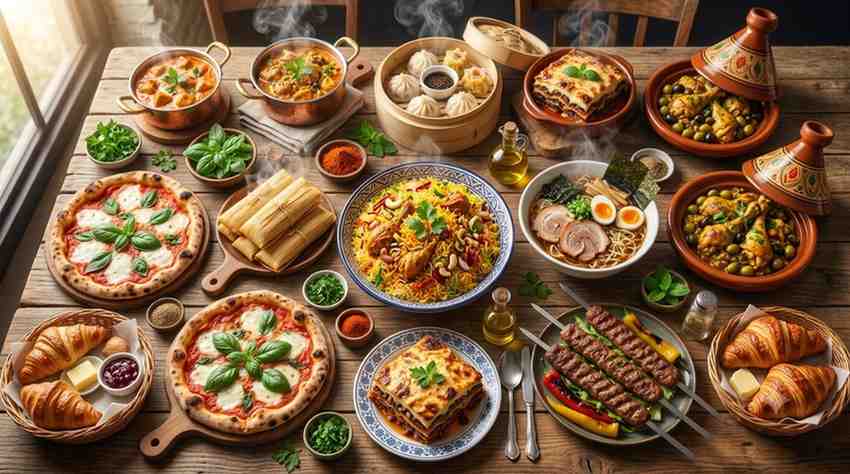
Food is more than just fuel—it tells the story of a nation's history, traditions, and identity. Every country has unique dishes that have been passed down through generations, preserving the flavors and customs of its people. Traditional foods reflect local ingredients, climate, and cultural influences, making every meal a journey into a different way of life.
Whether you're a passionate foodie, an avid traveler, or someone who loves discovering new cultures, exploring traditional foods is one of the best ways to experience the world's rich culinary heritage.
1. Sushi – Japan
Sushi is one of Japan's most iconic culinary creations. Made with vinegared rice, fresh seafood, vegetables, and seaweed, sushi is admired for its simplicity, freshness, and artistic presentation.
- Nigiri
- Maki Rolls
- Sashimi
- Temaki (Hand Rolls)
Every traditional dish tells a story of culture, history, and the people who created it.
— Celebrating Global Culinary Heritage
Japanese cuisine emphasizes balance, precision, and respect for seasonal ingredients, making sushi one of the world's most admired traditional foods.
2. Pizza – Italy
Originating in Naples, pizza has become one of the world's favorite foods while remaining deeply rooted in Italian culinary tradition.
A classic Italian pizza features:
- Thin, crispy crust
- Fresh tomato sauce
- Mozzarella cheese
- Basil leaves
- Extra virgin olive oil
Its simplicity and use of high-quality ingredients have made authentic Italian pizza famous worldwide.
3. Tacos – Mexico
Tacos are a cornerstone of Mexican cuisine. Soft or crispy tortillas are filled with seasoned meats, beans, vegetables, cheese, and flavorful salsas.
Their endless variety showcases Mexico's vibrant culinary traditions and bold flavors.
4. Butter Chicken – India
Butter chicken is one of India's most beloved dishes. Tender marinated chicken is cooked in a creamy tomato-based sauce flavored with aromatic spices.
- Creamy tomato gravy
- Tandoori-style chicken
- Traditional Indian spices
- Served with naan or basmati rice
5. Kimchi – South Korea
Kimchi is a traditional Korean side dish made from fermented vegetables, typically napa cabbage and radishes, seasoned with garlic, ginger, chili pepper, and fish sauce.
It accompanies nearly every Korean meal and is valued for both its bold flavor and nutritional benefits.
6. Paella – Spain
Originating in Valencia, paella is one of Spain's most famous dishes. It combines saffron-infused rice with seafood, chicken, rabbit, or vegetables in a large shallow pan.
Paella is often enjoyed during family gatherings, festivals, and celebrations.
7. Couscous – Morocco
Couscous is a staple of Moroccan cuisine, consisting of steamed semolina grains served with vegetables, chickpeas, and slow-cooked meat.
Its fragrant blend of spices reflects Morocco's rich culinary traditions and hospitality.
8. Poutine – Canada
Poutine is a comforting Canadian classic made with crispy French fries topped with fresh cheese curds and hot gravy.
Originally from Quebec, it has evolved into countless creative variations enjoyed across Canada.
9. Feijoada – Brazil
Feijoada is Brazil's national dish, featuring black beans slow-cooked with pork or beef.
It is traditionally served with:
- White rice
- Collard greens
- Orange slices
- Cassava flour (farofa)
This hearty meal is commonly enjoyed during family gatherings and festive celebrations.
10. Moussaka – Greece
Moussaka is a classic Greek casserole made with layers of eggplant, seasoned minced meat, potatoes, and creamy béchamel sauce.
Baked until golden brown, it is celebrated for its rich texture and comforting Mediterranean flavors.
Why Traditional Foods Matter
Traditional foods preserve cultural heritage while strengthening connections between generations. Family recipes often survive for centuries through storytelling and shared meals.
- Preserve cultural traditions
- Celebrate regional ingredients
- Support local agriculture
- Connect families across generations
- Promote cultural appreciation
- Encourage sustainable cooking practices
Authentic dishes also help people better understand the history, geography, and values of different communities around the world.
The Joy of Exploring Traditional Foods
Trying traditional foods is like traveling without leaving your dining table. Every recipe offers a unique glimpse into another country's customs, ingredients, and culinary traditions.
Whether you're enjoying Japanese sushi, Italian pizza, Indian butter chicken, or Spanish paella, each dish tells a fascinating story shaped by generations of culture and craftsmanship.
Frequently Asked Questions
Why are traditional foods important?
Traditional foods preserve cultural heritage, celebrate local ingredients, and pass family traditions from one generation to the next.
What is the world's most famous traditional food?
Dishes such as Italian pizza, Japanese sushi, Mexican tacos, and Indian butter chicken are among the most recognized traditional foods worldwide.
How do traditional foods reflect culture?
They showcase a country's history, geography, climate, agricultural practices, and long-standing culinary traditions.
Why should I try foods from different countries?
Exploring international cuisines broadens your culinary experiences, promotes cultural appreciation, and introduces you to new flavors and cooking techniques.
Final Thoughts
Traditional foods are much more than delicious meals—they are living expressions of history, identity, and cultural pride. From Japan's elegant sushi and Italy's authentic pizza to Brazil's hearty feijoada and Greece's comforting moussaka, every dish represents generations of tradition and craftsmanship.
Exploring these iconic foods is one of the most enjoyable ways to discover the diversity of our world. Every meal offers an opportunity to experience another culture through its flavors, ingredients, and cooking traditions.
The next time you're choosing what to eat, consider trying a traditional dish from another country. You may discover not only a new favorite recipe but also a deeper appreciation for the people, history, and traditions behind every bite.